

Citi Towers
Hong Kong
Pavegen and Tribal Planet worked to create a deeper engagement with Cisco’s brand and enhance its reputation in a fun and memorable way at its headline annual event.
We helped engage Cisco’s audience of IT specialists with its Social Impact programme in a lasting and engaging way.
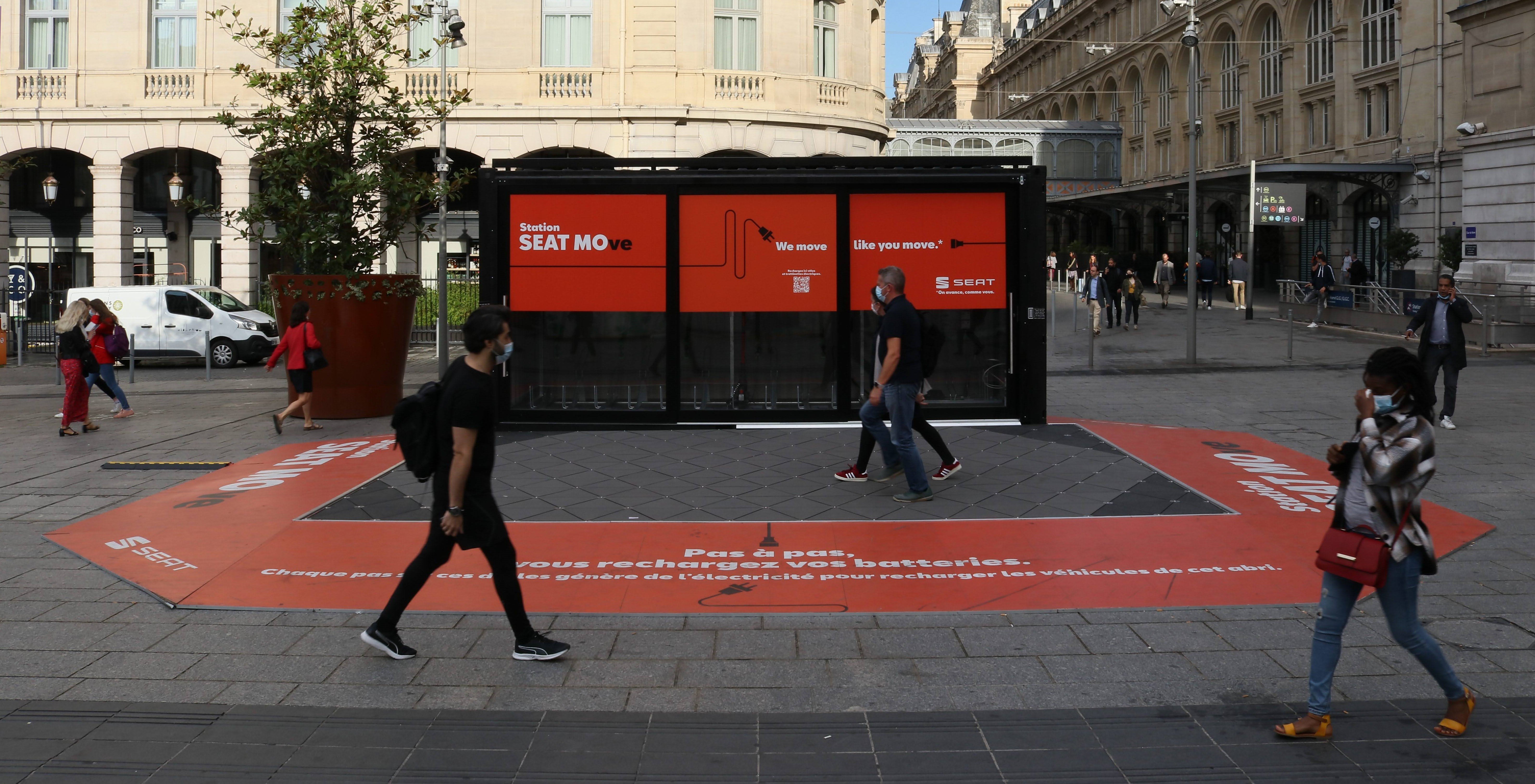
Via Tribal Planet’s Citizen Earth app and screens, attendees could track their steps and see how much energy they were personally creating, simply by walking over the tiles. Daily winners would be announced via the app leaderboard and screens on-site.
Cisco’s goal was 1 million steps. The installation really caught the imagination of Cisco LIVE audiences,
The team doubled that target, capturing the energy of over 2 million footsteps.
Turning Footfall Into a Live City Experience
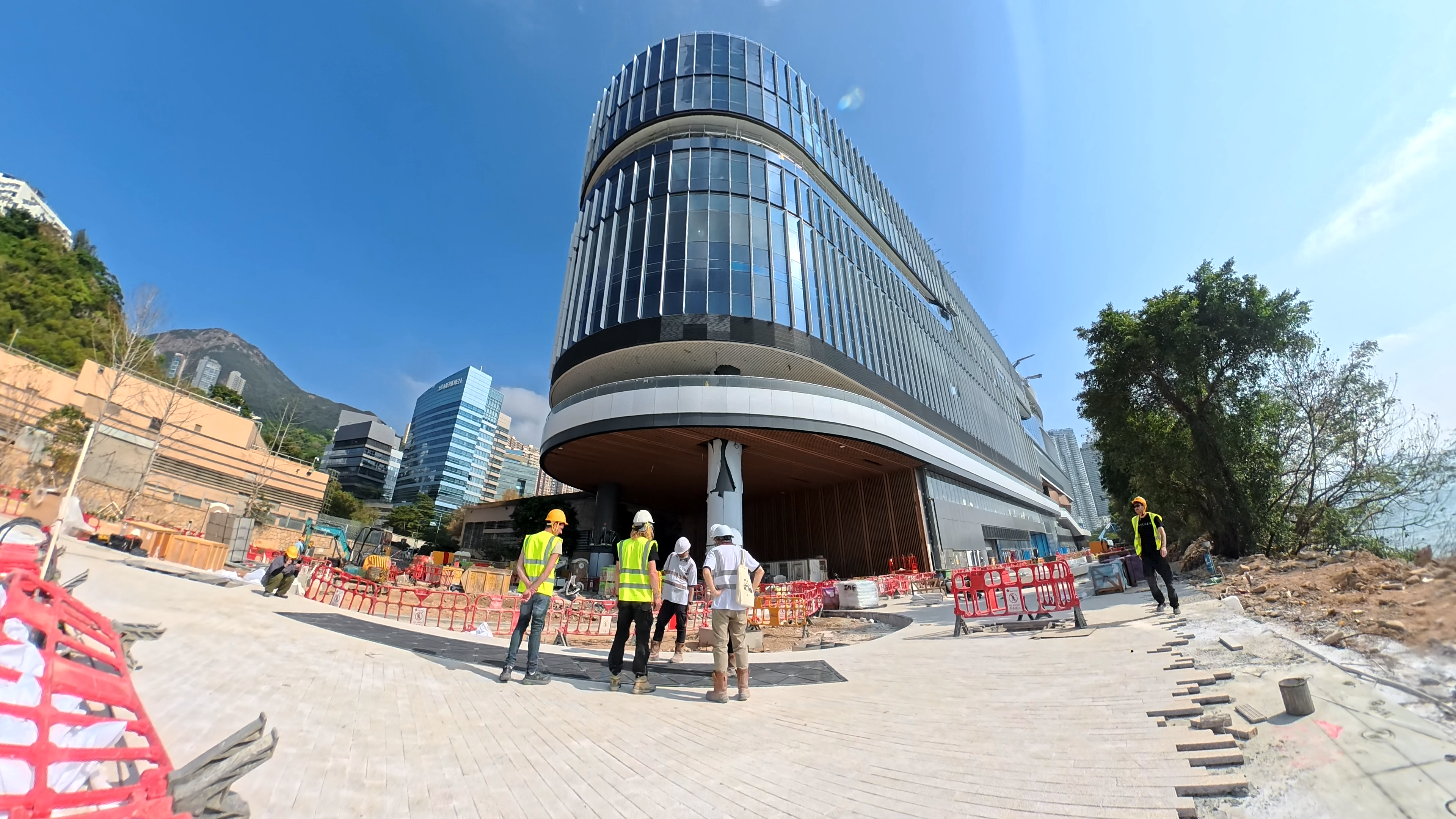
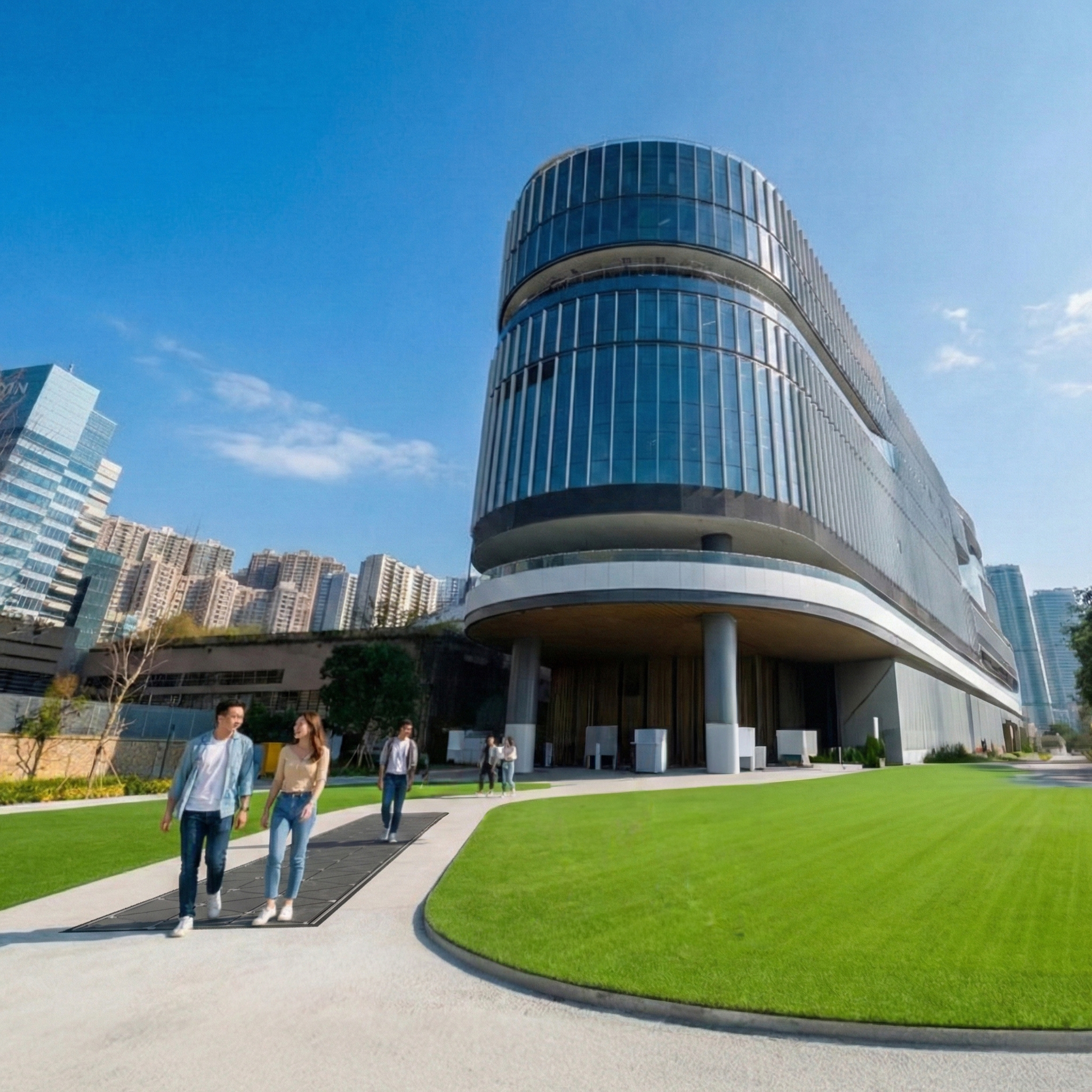
At the entrance of Citi Tower in Hong Kong, one of the city’s busiest commercial hubs, Pavegen installed an interactive energy‑generating walkway designed to transform daily footfall into a real‑time sustainability story. The installation captures kinetic energy from every step and visualises it instantly on a digital screen inside the building, showing visitors the impact they’re creating in real time.
This project demonstrates how smart buildings can merge engagement, sustainability, and data into a single seamless experience.
Transforming footfall into a smart-building asset
The Challenge
Citi Tower wanted to:
- Bring sustainability to life in a way that was visible, interactive, and meaningful
- Engage thousands of daily visitors with a memorable, behaviour‑changing experience
- Demonstrate the building’s commitment to innovation and ESG
- Create a data‑driven installation that could be used for education, storytelling, and community engagement
Traditional signage or static sustainability messaging wasn’t enough. They needed something people could feel, see, and participate in.
The Solution
Pavegen installed a kinetic walkway at the main entrance - the highest‑traffic point in the building. Every footstep generates off‑grid clean electricity and behavioural data.
Inside the lobby, a digital screen displays:
- Live energy generation
- Total steps captured
- Real‑world equivalents (e.g., “Today’s energy could power X minutes of lighting” or “This week’s steps could charge X smartphones”)
- Cumulative impact over time
This turns an everyday entrance into a dynamic sustainability dashboard.
GAMIFYING
SIEMENS PURPOSE
Pavegen is based in King’s Cross, in the heart of London’s tech revolution. We’re just a few minutes’ walk from King’s Cross and St. Pancras International Stations. Our research and development centre operates in Cambridge, the innovation hub of the country.
Why it Matters: People Powered smart Cities
Smart cities aren’t defined by sensors, networks, or dashboards, they’re defined by the people who move through them every day. When buildings can capture and respond to human behaviour, they stop being passive structures and start becoming active participants in the urban ecosystem.
At Citi Tower, every footstep becomes a data point, a clean‑energy contribution, and a moment of engagement. This shift from observation to interaction is what makes human‑powered smart cities so compelling. They create a feedback loop where citizens can see the impact of their actions instantly, building trust, awareness, and a deeper connection to sustainability.
By turning movement into measurable value, Citi Tower demonstrates how the future of urban innovation will be shaped not just by technology, but by the people who bring that technology to life.
Smart Cities Start With Human Experience
The smartest cities are the ones that feel good to live in - places where technology enhances experience rather than operating in the background unnoticed. Human‑centric design is no longer a nice‑to‑have; it’s the foundation of effective smart‑city strategy.
The Citi Tower installation shows how experiential infrastructure can transform a simple entrance into a moment of discovery. Visitors don’t just walk into a building - they participate in its sustainability story. They see their impact visualised in real time. They understand, intuitively, how their behaviour contributes to a larger system.
This is the future of smart city design: environments that listen, respond, and engage. Spaces that make sustainability tangible. Buildings that turn everyday movement into meaningful impact.
Citi Tower isn’t just a commercial landmark - it’s a blueprint for how human experience can shape the next generation of smart, sustainable cities.
.jpg)