
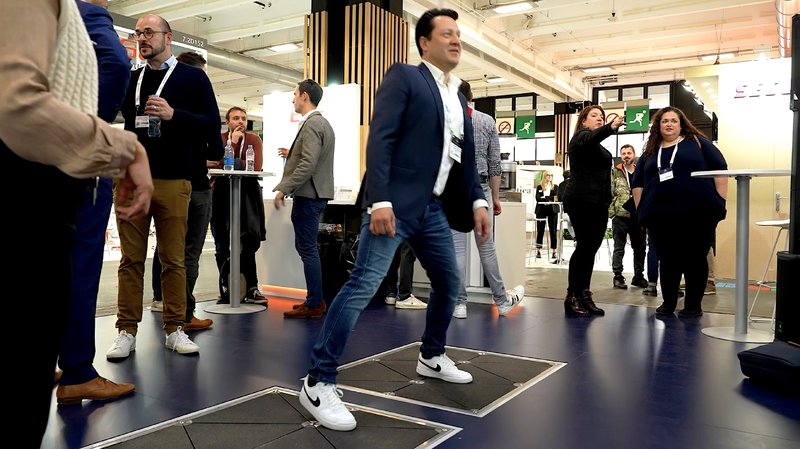
Interactive flooring technology has become a defining feature of experiential marketing campaigns. From trade shows to brand activations, interactive floors turn passive visitors into active participants. Pavegen delivers kinetic flooring solutions that generate renewable energy from footsteps while capturing real-time footfall data for measurable engagement. This guide helps you evaluate technology types, deployment requirements, and engagement potential so your next event campaign delivers ROI you can prove.
Key Takeaways: How to Choose Interactive Flooring for Event Campaigns
- Match your interactive flooring technology to venue conditions, audience size, and campaign goals before committing.
- Evaluate whether LED, projection, or kinetic flooring best fits your sustainability messaging and data needs.
- Pavegen's kinetic tiles generate off-grid energy while capturing footfall analytics for ESG-reportable metrics.
- Plan for deployment logistics including power, surface requirements, and staffing early in your campaign timeline.
- Define engagement metrics upfront so you can calculate ROI and optimise future activations.
What Is Interactive Flooring Technology for Events?
Interactive flooring refers to floor-based installations that respond to human movement. These systems detect footsteps, pressure, or motion and trigger visual, audio, or data-driven responses. The category includes LED floors, projection-mapped surfaces, and kinetic energy systems.
Event marketers use interactive floors to extend dwell time, create shareable moments, and collect engagement data. The right choice depends on your campaign objectives, venue constraints, and budget.
Why Interactive Flooring Works for Brand Activations
Static displays no longer capture attention in crowded event environments. Interactive flooring gives visitors a reason to stop, participate, and share. Research in experiential marketing shows that active participation increases memory encoding and brand recall compared with passive exposure.
Your audience becomes part of the story when they step onto an interactive surface. That shift from observer to participant creates emotional connections that static signage cannot replicate. Brands like Google, KIA, and Rockstar Energy have used interactive flooring activations to drive measurable engagement at major events.
Types of Interactive Flooring Technology
LED Interactive Floors
LED floors combine display panels with pressure or infrared sensors. They offer bright, high-contrast visuals that work well in indoor environments with controlled lighting. LED systems excel at displaying dynamic content like brand animations, games, and wayfinding graphics.
Key considerations include pixel pitch (typically P2.5 to P6.25), load-bearing capacity, and surface safety. LED floors require power infrastructure and work best for indoor activations where ambient light is manageable.
Projection-Based Interactive Floors
Projection systems use overhead projectors combined with camera or depth sensors to create interactive surfaces. They cost less upfront than LED alternatives and allow for large coverage areas. Content can be updated quickly without hardware changes.
Projection floors are sensitive to ambient light, which limits outdoor use. Shadow interference from visitors can affect tracking accuracy. These systems suit indoor events with controlled lighting conditions.
Kinetic Energy Flooring
Kinetic floors convert footsteps into electricity through electromagnetic induction. Pavegen's patented technology generates 3-5 Watt seconds of clean energy per step while collecting real-time footfall data. This dual capability makes kinetic flooring ideal for sustainability-focused campaigns.
Kinetic floors work indoors and outdoors, do not require ambient light control, and deliver data that supports ESG reporting. They power lighting, charging stations, and interactive displays using energy generated by visitors.
How to Match Technology to Campaign Goals
If Your Goal Is Visual Impact
LED floors deliver the highest visual brightness and resolution. They work well for product launches, gaming experiences, and retail activations where dynamic visuals are the primary engagement driver. Solutions by Pavegen incorporate interactive LED lighting.
If Your Goal Is Sustainability Messaging
Kinetic flooring makes sustainability tangible. Visitors can see their footsteps generate energy in real time, creating a direct connection between their actions and environmental outcomes. Pavegen installations have powered DJ booths, lighting displays, and phone charging stations using only visitor-generated energy.
If Your Goal Is Data Collection
All interactive floor types can collect engagement data. Kinetic systems like Pavegen capture footfall patterns and energy generation metrics automatically. LED and projection systems can integrate with CRM platforms and lead capture tools when properly configured.
Critical Deployment Factors to Evaluate
Venue and Surface Conditions
Check whether your venue offers a level surface, adequate power supply, and sufficient overhead clearance for any required rigging. Outdoor events introduce additional variables including weather protection and ground stability.
Pavegen tiles carry an IP68 rating, resisting water immersion up to 1 metre for 30 minutes. This makes them suitable for outdoor festivals and public spaces where weather conditions are unpredictable.
Power and Infrastructure Requirements
LED and projection systems require dedicated power circuits. Calculate total power consumption including displays, sensors, and control hardware. Kinetic floors can operate off-grid or supplement grid power with visitor-generated energy.
Installation Timeline and Staffing
Installation complexity varies by system. Modular LED and kinetic tiles can be installed in hours. Projection systems may require rigging and calibration that extends setup time. Plan for technical staff during the event to monitor performance and troubleshoot issues.
Accessibility and Safety
All interactive floors must meet accessibility standards. Look for anti-slip surfaces, appropriate load ratings, and options for visitors with mobility considerations. Clear sightlines and audio cues help ensure all visitors can participate.
Engagement Metrics That Matter
Dwell Time
How long do visitors stay on or near your interactive floor? Longer dwell time correlates with deeper engagement and higher lead quality. Pavegen activations average three minutes of engagement per visitor, significantly exceeding typical booth interactions.
Participation Rate
Calculate the percentage of passersby who step onto your floor versus those who walk past. High participation rates indicate effective visual design and clear interaction prompts.
Social Shares
Interactive experiences that look unique generate organic social content. Track hashtag usage and tagged posts to quantify earned media value.
Lead Conversion
Measure how many participants provide contact information or complete a desired action. Integrate QR codes, registration forms, or gamified opt-ins to convert engagement into leads.
Energy Generation and ESG Data
Kinetic floors generate energy metrics automatically. These figures support sustainability reporting and marketing claims. Pavegen's data platform displays energy generation and footfall counts in real time.
Comparing Total Cost of Ownership
Upfront Costs
LED floors typically have higher hardware costs due to display panel pricing. Projection systems cost less upfront but may require additional rigging and calibration. Kinetic floors fall in the mid-range for hardware but deliver ongoing value through data and energy generation.
Operating Costs
Power consumption affects operating budgets. LED floors draw more power than projection or kinetic alternatives. Kinetic floors offset some operating costs by generating their own energy.
Content and Software
Budget for content creation, software licensing, and updates. Custom games and branded experiences require development time. Platforms with content management tools simplify updates for multi-event campaigns.
Rental vs Purchase
Frequent event marketers may benefit from purchasing equipment. Occasional users should consider rental options. Pavegen offers both rental and purchase models with turnkey creative services including custom software development.
Common Mistakes to Avoid When Selecting Interactive Flooring
Ignoring Ambient Light Conditions
Projection floors lose visibility in bright environments. Assess your venue's lighting conditions before committing to projection-based systems.
Underestimating Setup Time
Allow buffer time for calibration and testing. Rushed installations lead to performance issues during peak event hours.
Skipping Accessibility Reviews
Ensure your installation accommodates all visitors. Review surface safety, load ratings, and interaction options for people with different mobility needs.
Failing to Define Success Metrics
Decide what you want to measure before the event. Install tracking systems and prepare reporting templates in advance.
How to Calculate ROI for Interactive Flooring
Start by identifying your campaign goals: lead generation, brand awareness, sustainability messaging, or audience engagement. Assign monetary values to each metric based on your business context.
For lead generation, calculate the cost per lead using total activation cost divided by leads captured. Compare this to your benchmark lead costs from other channels.
For brand awareness, estimate earned media value from social shares and press coverage. Track hashtag impressions and media mentions attributed to your activation.
For sustainability campaigns, measure energy generated and footfall participation. These figures support ESG reporting and demonstrate tangible environmental impact.
Questions to Ask Interactive Flooring Vendors
About Technology
What sensor types do you use? What are the brightness and resolution specifications? How does your system handle outdoor conditions?
About Deployment
What are your power requirements? How long does installation take? Do you offer on-site technical support?
About Data
What metrics can your system capture? How is data exported? Can you integrate with our CRM or marketing automation platform?
About Service
What warranty do you offer? What spare parts are included? Do you offer rental options for short-term campaigns?
How Pavegen Supports Experiential Marketing Teams
Pavegen combines kinetic energy generation with gamified engagement and real-time data capture. Marketing teams choose Pavegen for several reasons.
First, sustainability becomes visible. Visitors see their footsteps generate clean energy in real time. This creates authentic storytelling opportunities that resonate with environmentally conscious audiences.
Second, data is automatic. Pavegen tiles capture footfall patterns and energy generation without additional tracking systems. This data supports ESG reporting and campaign analysis.
Third, deployment is flexible. Pavegen offers modular tile systems, custom builds, and turnkey creative services. From small activations to large-scale experiences, configurations adapt to venue requirements.
Fourth, results are proven. With over 300 installations in 45 countries and partnerships with brands including Google, KIA, Rockstar Energy, and Volvo, Pavegen has demonstrated consistent engagement outcomes.
Getting Started With Your Interactive Flooring Campaign
Begin by defining your campaign objectives and success metrics. Evaluate venue conditions including space, power, and lighting. Research technology options and request demonstrations or site visits from vendors.
Build your timeline backward from the event date, allowing for design, production, shipping, and installation. Identify staffing needs for setup, operation, and breakdown.
Budget for hardware, content development, installation, staffing, and contingencies. Compare rental and purchase options based on your event frequency and reuse potential.
In Conclusion: Selecting Interactive Flooring That Delivers Results
Interactive flooring turns event spaces into engagement platforms. The right technology choice depends on your campaign goals, venue conditions, and measurement priorities. LED floors excel at visual impact. Projection systems offer flexibility at lower cost. Kinetic flooring like Pavegen combines engagement, sustainability messaging, and automated data capture.
Evaluate deployment requirements early. Define your metrics before the event. Partner with vendors who offer both technology and creative support. With proper planning, your interactive flooring activation will create memorable experiences and deliver ROI you can measure.
FAQs About How to Choose Interactive Flooring for Event Campaigns
What types of interactive flooring work for outdoor events?
Kinetic flooring systems like Pavegen are designed for outdoor use with IP68 ratings. LED floors can work outdoors with weatherproof enclosures and higher brightness panels. Projection systems are generally unsuitable for outdoor daylight conditions.
How do I measure engagement from interactive flooring?
Track dwell time, participation rate, lead conversions, and social shares. Pavegen captures footfall data and energy generation automatically. Other systems may require additional sensors or manual counting methods.
What is the typical installation time for interactive flooring?
Modular systems like Pavegen tiles can be installed in 2-4 hours for small activations. Larger LED or projection installations may require a full day for setup and calibration. Custom scenic builds take longer.
Can interactive flooring generate real sustainability data?
Kinetic flooring systems generate measurable energy output. Pavegen tiles produce 3-5 Watt seconds per step and track cumulative generation. This data supports ESG reporting and sustainability marketing claims.
How does Pavegen differ from LED or projection interactive floors?
Pavegen generates clean energy from footsteps while capturing engagement data. LED and projection floors display visuals but do not produce energy. Pavegen's approach makes sustainability tangible and provides automatic data capture.
What budget should I plan for interactive flooring activations?
Rental costs for turnkey activations start in the thousands for small installations and scale based on size, duration, and customisation. Purchase options suit frequent users. Request detailed quotes from vendors including hardware, content, installation, and support.