Kinetic Energy Flooring Explained
12 May 2026
The Quick Answer: Pavegen tiles work by converting the mechanical energy of a footstep into electricity through electromagnetic induction. Each step compresses the tile by up to 10mm, driving internal generators that produce 3–5 watt-seconds of clean, off-grid energy per step. Simultaneously, embedded sensors capture real-time pedestrian data, footfall volume, dwell time, and movement patterns, transmitting it wirelessly to a dashboard.
You walk into a busy airport terminal, a city-centre shopping street, or a sports stadium. Thousands of people are moving around you. Each step is a tiny burst of mechanical energy that has, until recently, been entirely wasted.
Pavegen changes that. Installed underfoot in high-footfall environments across more than 40 countries, Pavegen's kinetic energy tiles capture the energy of human movement and convert it into electricity, data, and interactive experiences... all in real time.
But how does how does kinetic energy flooring work? This is the definitive technical explainer.
The Problem Pavegen Was Built to Solve
When Laurence Kemball-Cook founded Pavegen in 2009, after a university placement at E.ON sparked the idea of using footfall as a power source, the central insight was simple: public spaces with high pedestrian traffic represent a vast, untapped reservoir of kinetic energy.
Oxford Street in London sees over half a million footsteps a day. Abu Dhabi Airport handles over 100,000 passengers daily. Each of those passengers takes hundreds of steps. That is an enormous amount of mechanical energy passing straight through the floor and disappearing.
The challenge was capturing it efficiently. A single human footstep lasts roughly half a second and produces a relatively modest force. Converting that brief, irregular burst of energy into usable, steady electricity required a fundamentally new engineering approach.
Inside a Pavegen Tile: How the Technology Works
Step 1: Compression

When a person steps onto a Pavegen tile, the surface compresses downward by up to 10 millimetres. This movement is imperceptible to the walker, the sensation underfoot is closer to a firm athletic track than a spongy surface, but it sets the entire energy conversion process in motion.
Step 2: Electromagnetic Induction
Unlike earlier kinetic tile technologies that relied on piezoelectricity (the electrical charge produced when certain crystals are compressed), Pavegen's current generation uses electromagnetic induction. Inside each tile, the vertical compression motion is converted into rotary motion, which drives small internal generators. The rotating generators use copper coils and magnets to produce electrical current, the same fundamental principle that powers most of the world's electricity generation, scaled down to the size of a floor tile.
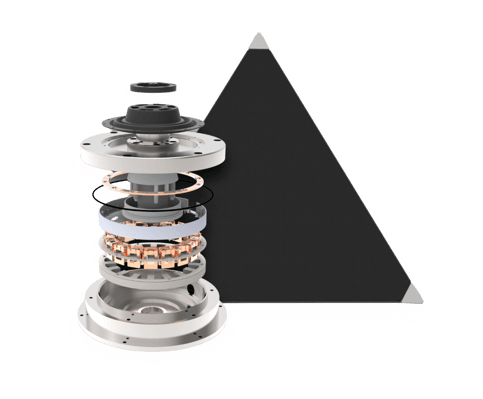 This electromagnetic approach is why Pavegen tiles are significantly more efficient than piezoelectric alternatives for high-traffic, high-engagement environments. Piezoelectric systems excel at capturing micro-vibrations in precision applications; electromagnetic induction scales far better when the goal is meaningful energy generation from sustained pedestrian flow.
Step 3: Energy Storage or Immediate Use
The electricity generated can be directed in two ways: used instantly to power interactive experiences (lighting, digital displays, leaderboards, soundscapes) or stored in a battery for use at a later time. This dual-mode capability makes Pavegen flexible across a wide range of deployment contexts, from permanently installed smart floor technology in urban infrastructure to temporary event activations where an immediate spectacle is the priority. See more on what Pavegen can power.
The Data Layer: Where Pavegen Goes Beyond Energy
Energy generation is only half of what makes Pavegen distinctive in the smart city context. Each tile is also a data collection device.
Embedded sensors and wireless transmitters capture and relay:
-
-
Footfall volume: how many people are walking through a space
-
Dwell time: how long people spend in specific areas
-
Movement patterns: the flow and direction of pedestrian traffic
-
Peak traffic periods: when footfall is highest and where congestion builds
-
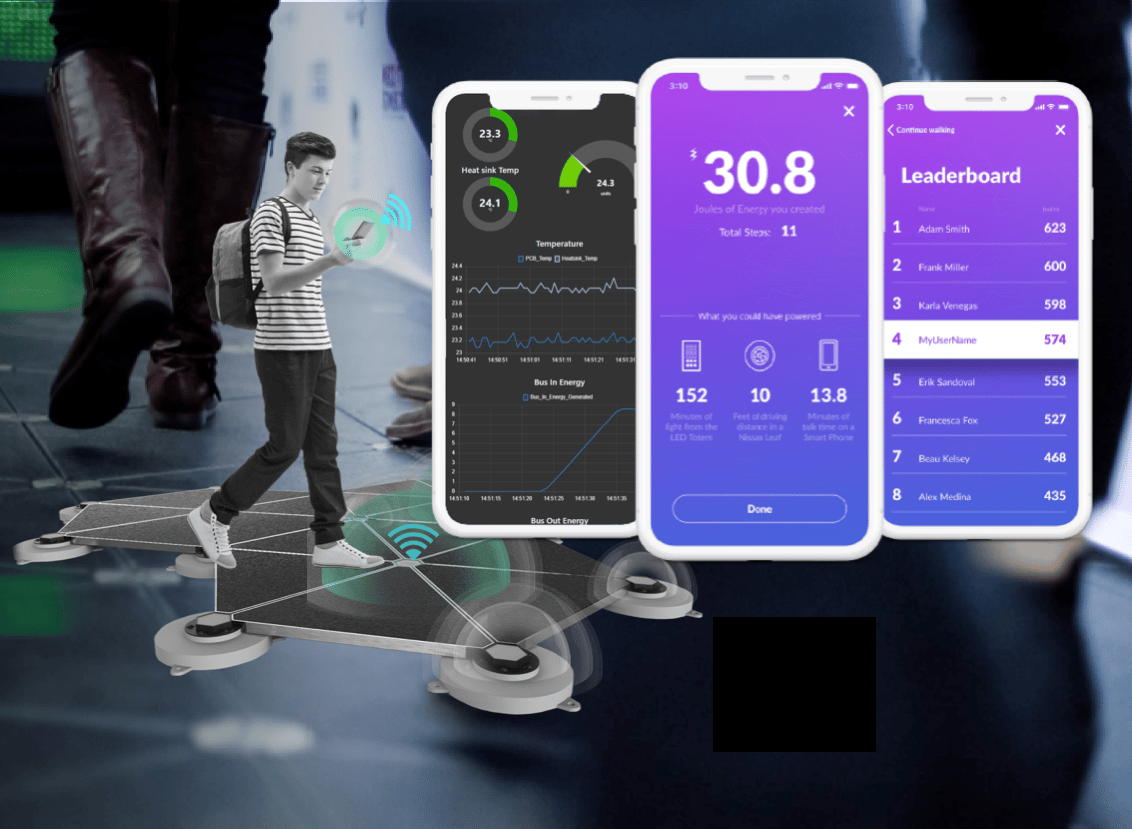 This data is transmitted wirelessly and aggregated on a real-time dashboard, giving city planners, property developers, transport operators, and retail managers a continuous, granular picture of how people move through and use a space, importantly without cameras, without facial recognition, and without any personal data being captured.
Privacy note: Pavegen collects anonymised, aggregated movement data. No personal identifiers, biometric data, or individual tracking is captured without permission. This distinguishes it clearly from camera-based pedestrian analytics and makes it compliant with GDPR and equivalent data protection frameworks.
The Triangular Design: Built for Maximum Efficiency
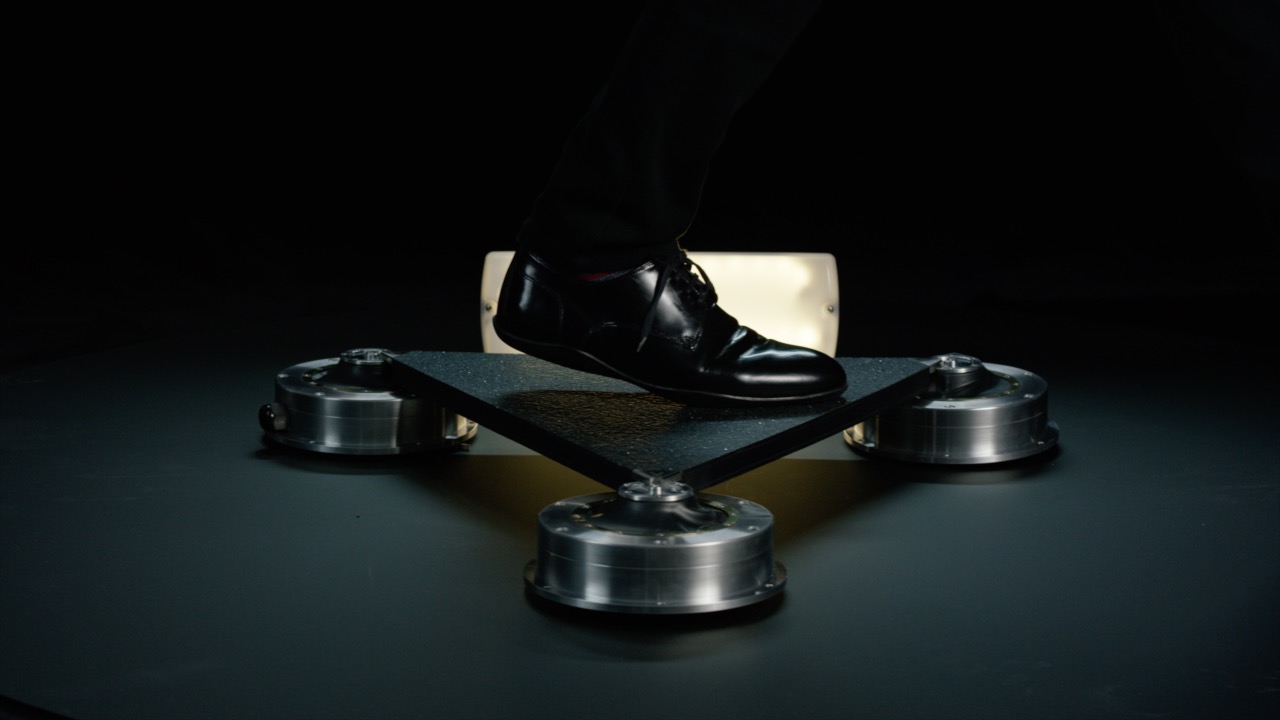
Pavegen's current tiles (V3) are triangular, a design decision that is engineering-led rather than aesthetic. A triangle can be stepped on anywhere across its surface and transfer broadly equivalent mechanical force regardless of where the foot lands. Rectangular tiles have weak points at the corners; a triangle distributes load more consistently.
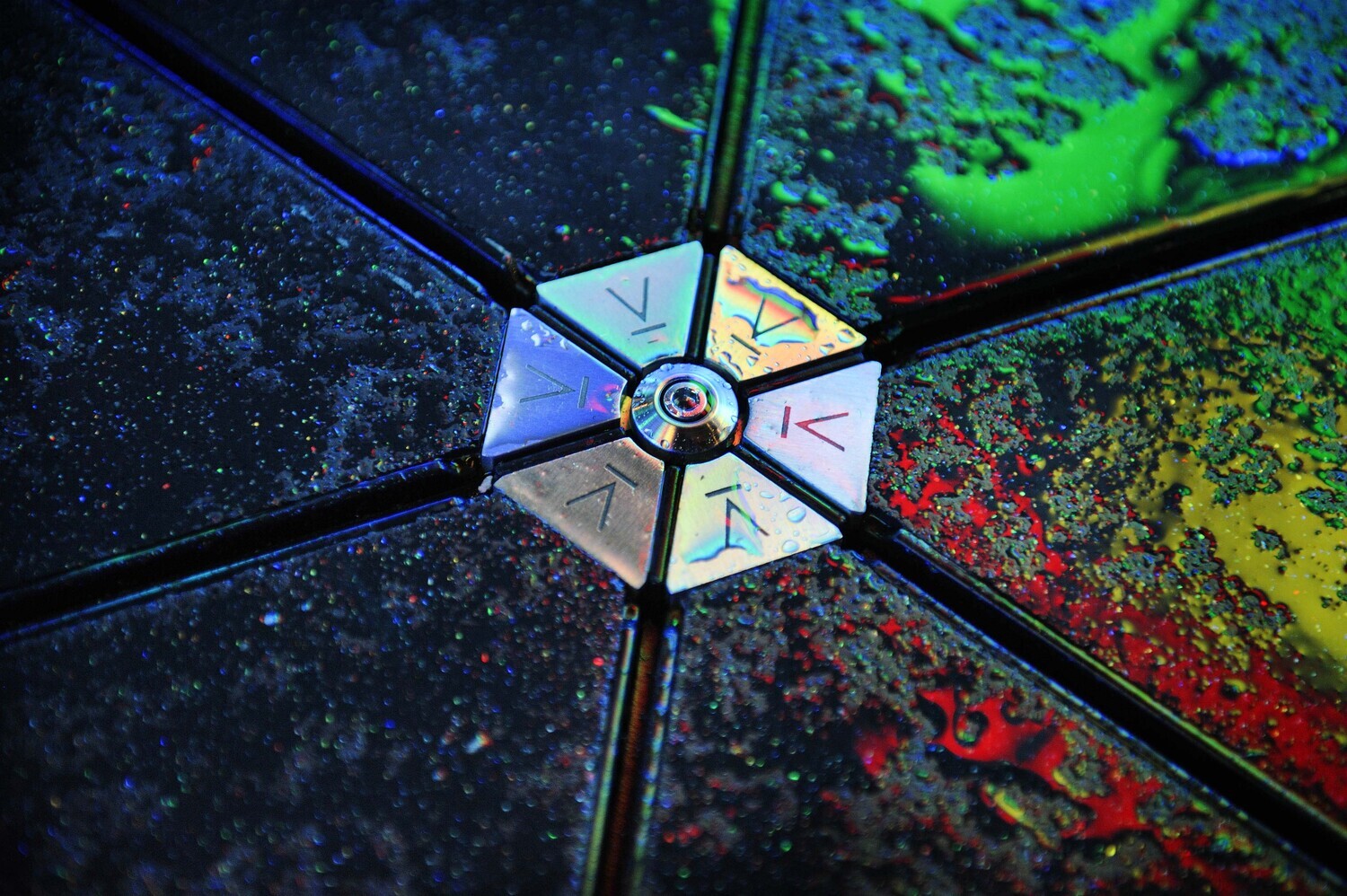 Each triangular tile contains a generator at each corner. No matter where a step falls, at least one, and usually more than one, generator is engaged. This maximises energy yield per step and makes the system robust against the unpredictable, variable nature of real-world pedestrian footfall.
The top surface is made from recycled rubber, giving the tiles a practical, non-slip surface. The base is constructed from over 80% recycled materials. From materials to mechanics, the design is built to minimise waste and maximise longevity.
Real-World Deployments: The Technology in Action
Bird Street, London: The World's First Smart Street
In 2017, Pavegen transformed a neglected side street off Oxford Street into what it called the world's first smart street. A 10-square-metre Pavegen walkway powered LED street lighting, ambient bird sounds through hidden speakers, and Bluetooth transmitters, all from the footsteps of passing shoppers. Walkers could connect via an app to see their personal energy generation in real time, and local businesses rewarded steps with discounts. It was a proof of concept for what smart city infrastructure could feel like on a human scale. 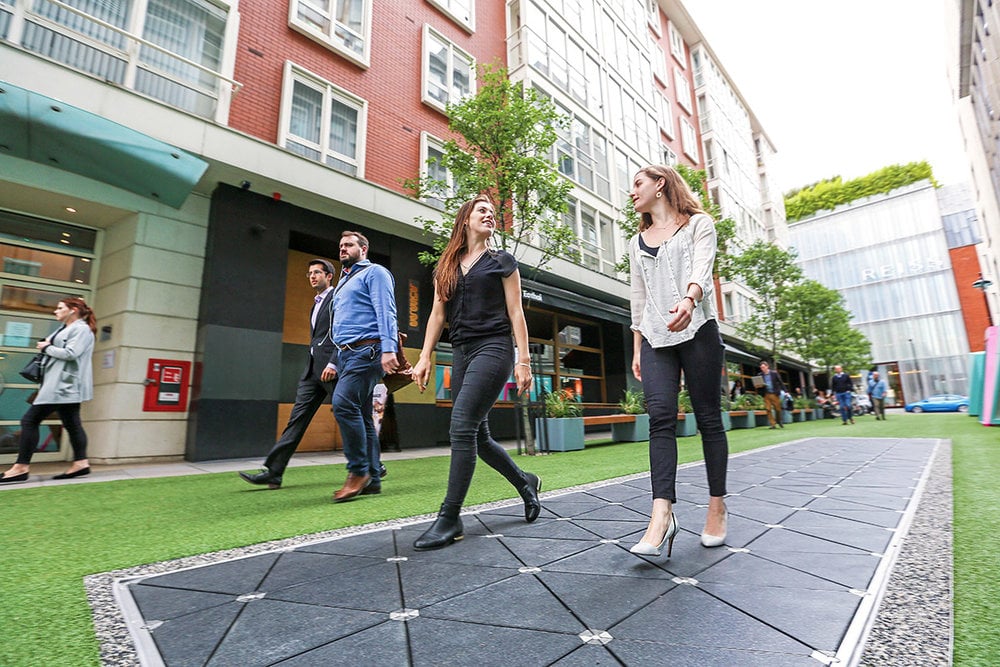
Abu Dhabi Airport, UAE
Pavegen has been installed at Abu Dhabi Airport, one of the world's busiest airports, where it powers an interactive light installation, a digital aircraft flight simulation, and a real-time energy data display. The deployment demonstrates the technology's durability and performance in a truly high-traffic, 24/7 environment and its ability to function as permanent infrastructure rather than a temporary installation. 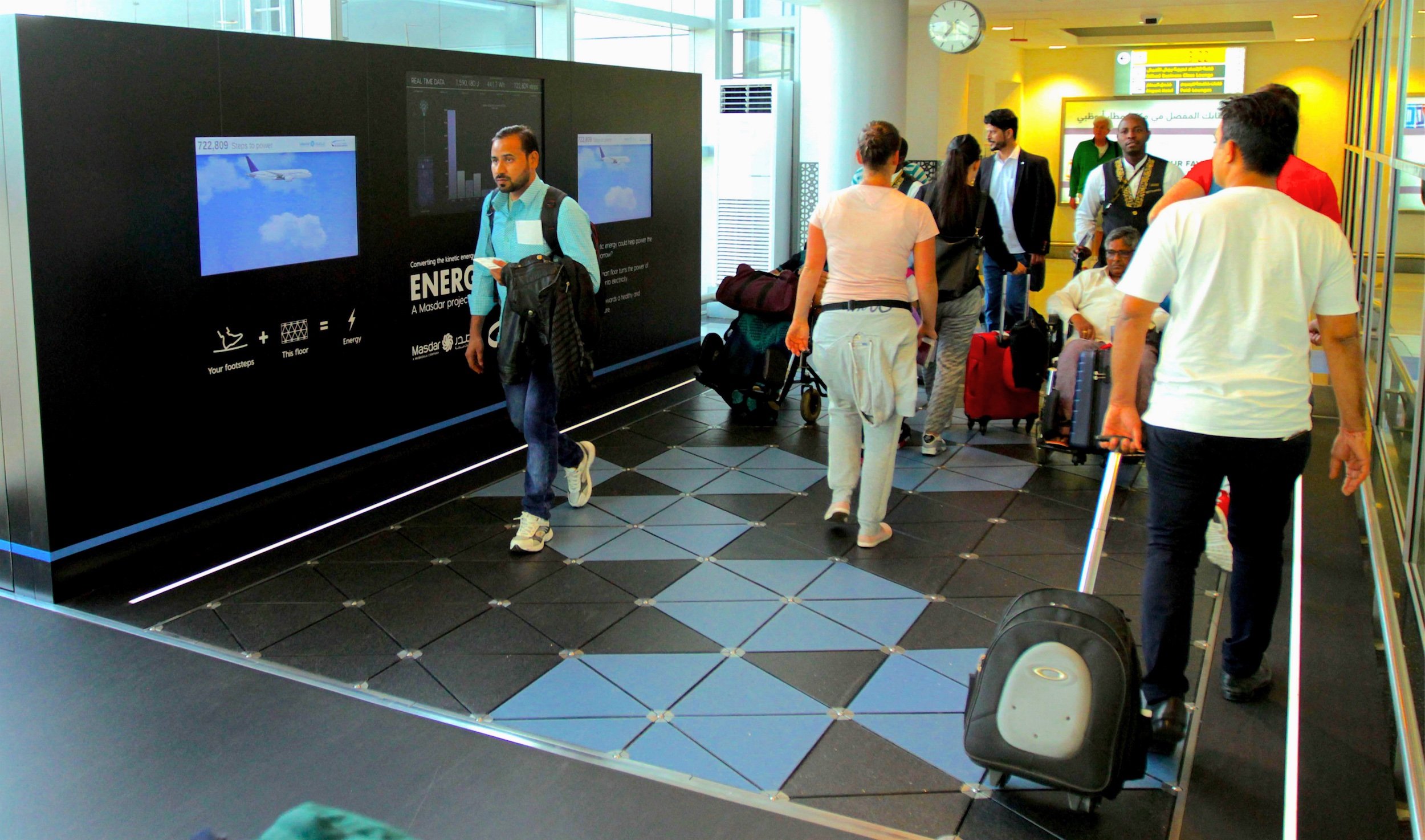
Dupont Circle, Washington D.C, USA
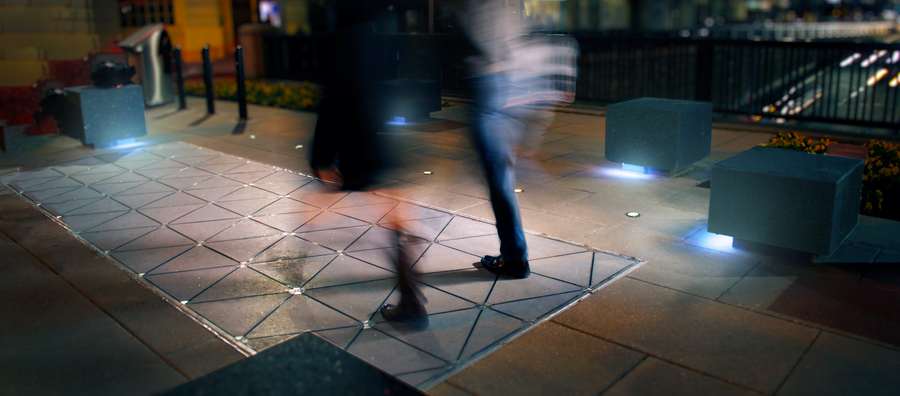
Dupont Circle, a popular commuter route near the White House, installed a Pavegen walkway as part of an urban infrastructure development to enhance sustainability and innovation. The permanent installation combines environmental responsibility and technological advancement through interactive streetlights and real-time data analytics powered by footsteps..jpg?width=900&height=600&name=Pavegen%20Walkway%20in%20Dupont%20Circle%20(Wide).jpg)
Frequently Asked Questions
How much energy does a Pavegen tile generate?
Each adult step produces 3–5 watt-seconds of electricity. Energy generation scales directly with footfall, a single tile in a busy location will generate continuously throughout the day, with output fluctuating with pedestrian traffic patterns.
Is Pavegen suitable for outdoor installation?
Yes. Pavegen tiles are engineered for both indoor and outdoor use. The recycled rubber surface provides weather resistance and grip, and the electromagnetic system is sealed against the elements. Bird Street was an outdoor installation; Pavegen installations have also been deployed in tropical and desert climates.
What does Pavegen data connect to?
Pavegen's data output is compatible with standard smart city platforms and building management systems. The wireless transmission system allows real-time data to feed into central dashboards, existing IoT infrastructure, or bespoke analytics platforms depending on the deployment context.
How long do Pavegen tiles last?
Pavegen tiles are engineered for long-term deployment in high-footfall environments, with an estimated lifespan of 20 years. The system is designed for commercial and infrastructure-grade durability, the Abu Dhabi Airport installation, for example, operates continuously as permanent airport infrastructure.
Lets Talk
For smart city teams, architects, and infrastructure developers considering a deployment: Pavegen works with you from feasibility through to installation and ongoing analytics. Get in touch to start a conversation.